

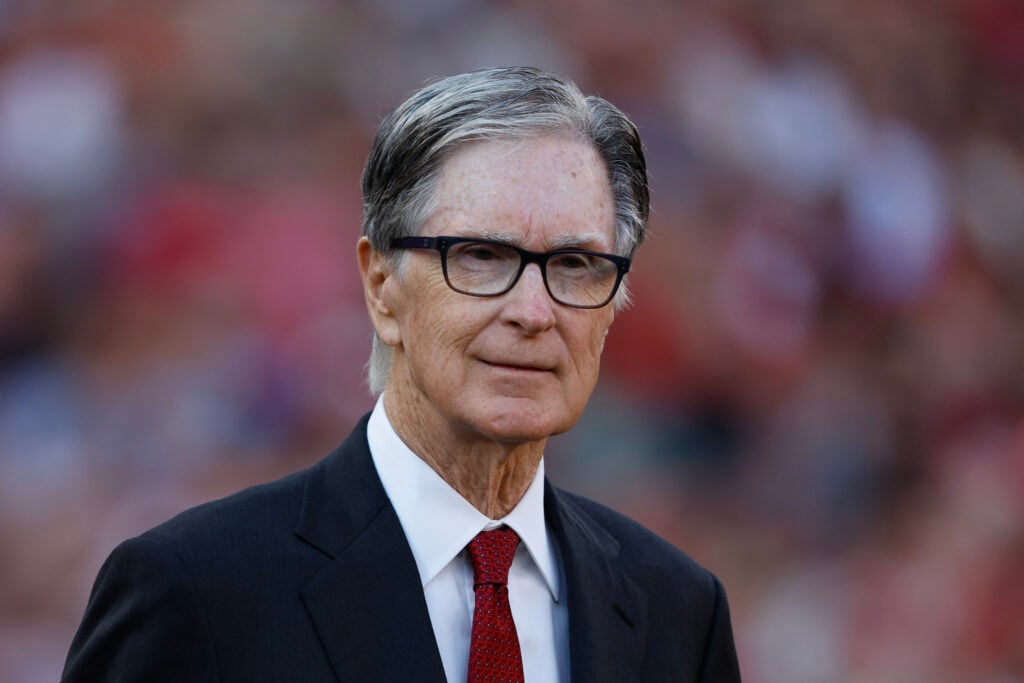
Fenway Sports Group came close to selling Liverpool in 2022, when they openly courted the market for fresh investment.
Initially, FSG were looking at a full sale. They had bought the club for £300m 12 years earlier and, with it now worth easily ten times that figure, wanted to cash out. Fast-forward another three years and, only last week, Liverpool were appraised at £4bn by Deloitte.
However, FSG didn’t find a solution that suited them, partly because Manchester United went on the market just a few weeks after Liverpool’s announcement, a process which culminated in Sir Jim Ratcliffe buying just over a quarter of the club for about £1.25bn.
Instead, John Henry, Mike Gordon, Tom Werner and the rest of FSG’s top brass 3,000 miles across the Atlantic decided to pursue a minority sale. In the end, they parted ways with a tiny portion of Liverpool – about three per cent – in a £127m deal with the private equity firm, Dynasty Equity.
Which elite former target do you wish you could bring to Anfield? 💭
Dynasty Equity are a sport-focused investment company and Liverpool were their flagship acquisition. They have since invested in Tiger Woods and Rory McIlroy’s TMRW Sports and the youth sports venue operator Unrivalled Sports.
The extent of their influence at Anfield was not known until recently. Their stake did not come with boardroom representation, but there were scant details besides the limited facts available in publicly available documentation. The only official statement they have made is the cookie-cutter rubric which accompanies Liverpool’s announcement of the deal.
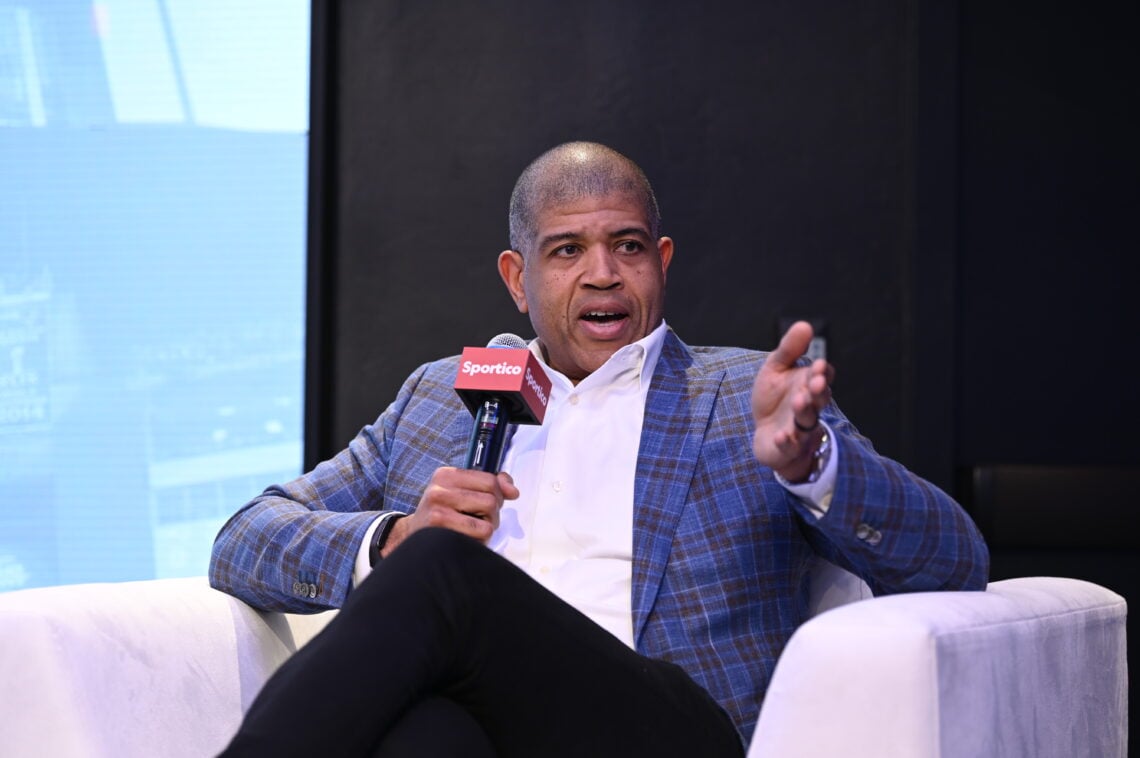
However, K. Don Cornwell, one of Dynasty’s two co-founders alongside industry veteran Jonathan Nelson, has now revealed a little about his reasons for investing in Liverpool, as well as the kind of sway they wield in L4.
Speaking to the industry publication PE Hub, former investment banker Cornwell said: “At Liverpool, we believe we have 300 million fans globally. If there’s an ability for us to interact with all 300 million of those folks and create products for them, we will finally get to where I believe this whole thing is going in sports. Investors are seeing that it creates lots of opportunity.
“There has been always an imbalance between the passion for sports and what the business of sports is. If I look back 10 years ago and I look at the revenues and the values, and I compare that to how much people care about sports, there’s a massive imbalance. We’re slowly starting to get more in-balance, where the business models are catching up to that level of passion.
“In terms of our investment strategy and size, we’re flexible. When we’re looking at an investment in something like Liverpool, we are very happy to partner with a management team and ownership group.
“We haven’t executed on one yet, but there are situations where we would take control of a traditional buyout. We’re built as a firm to do that.”
It is a rare insight into the private equity mindset in the context of football club ownership.
The pool of individuals who have the money and inclination to buy a club like Liverpool is now vanishingly small, which is why many commentators believe that, when FSG sell the Reds, it will be to a private equity firm who pool the wealth of hundreds of investors.
At FSG level, at least two more private equity firms are involved: RedBird Capital and KKR-owned Arctos.
Receive a digest of our best Liverpool content each week direct to your mailbox