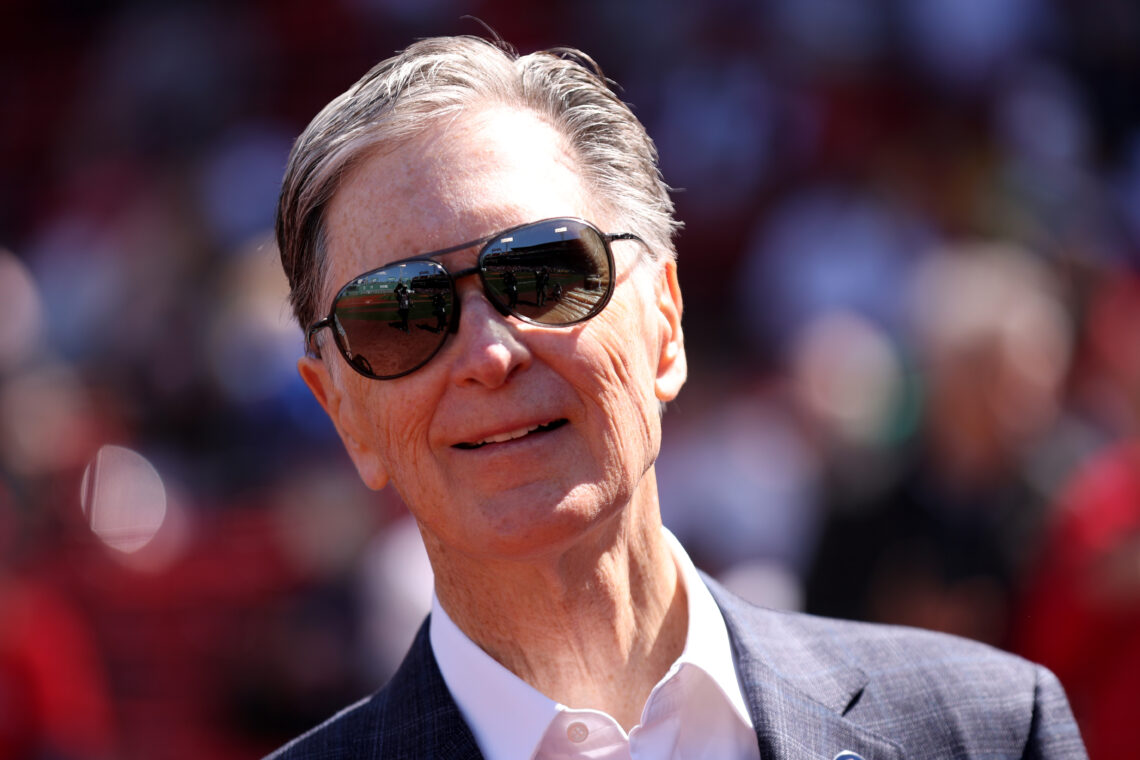


After 18 months of looking for a new team to add to their ownership group, FSG have decided to go against the multi-club model adopted by the likes of Chelsea and Manchester City in recent years.
The change of heart from the North America-based owners was shared on Friday, with it now suggested that Michael Edwards may want to leave Liverpool as a result.
However, the one-club policy is better for fans, and in terms of why Fenway Sports have changed their approach, Rousing The Kop’s finance expert Adam Williams has a theory that it may be so they can sell the Reds down the line.
Do you think FSG should buy another ‘feeder club’ for Liverpool?
The multi-club model is a controversial topic for some fans
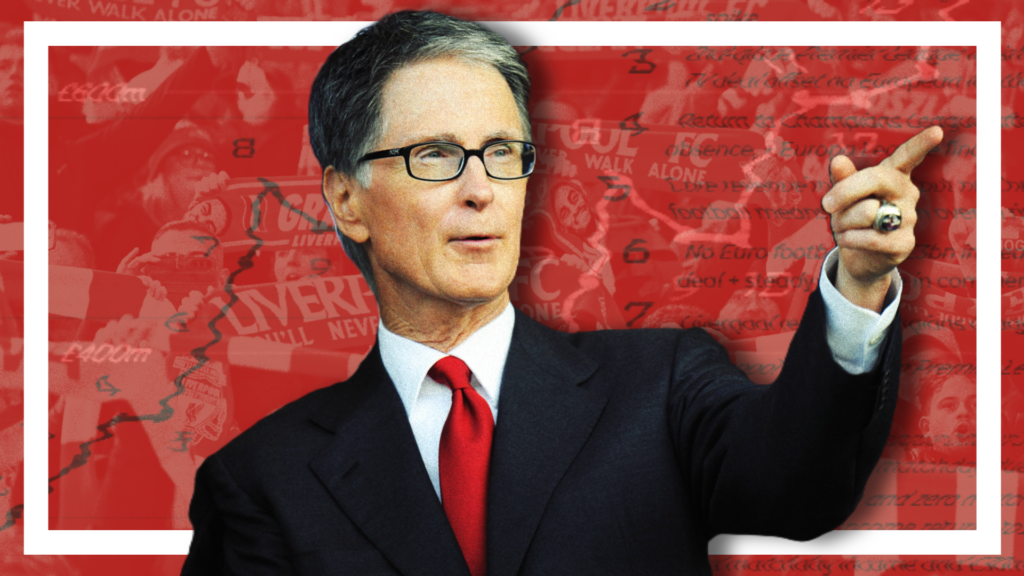
FSG wanting to sell Liverpool at some point could be the cause of multi-club model being abandoned
Williams is of the opinion that ‘abandoning the multi-club model is in their best interest’, even if they did just wait a year and a half mulling it over.
He also mooted the possibility that, rather than being tied to a second team via the multi-club model, FSG may instead have a plan to ‘sell Liverpool for £6bn, £7bn, £8bn’.
Williams explained: “It was never clear what FSG wanted to achieve with its multi-club plans. There are a few different reasons you might choose to buy another club – as an incubator for talent, to circumvent recruitment regulations, for commercial reasons and so on. I’ve spoken to half a dozen or so different sources close to FSG and each of them has told me different things.
“At one point, it seemed like they were going into it for commercial reasons as much as plans for player development. Had they bought a La Liga club, the plan was to put serious capital into it and try and create a shared sense of brand identity with Liverpool. That’s quite a difficult concept to pull off, though. And it would have been a very risky bet for FSG, who historically have been pretty conservative. So the vision was never entirely clear, which I think is why they’ve lurched between different profiles of club.
“That said, I think abandoning the multi-club model is in their best interest, so they have ultimately made the right decision, albeit after months upon months of wasted time and man hours. Why? Because Liverpool are a unique ‘brand’. I know fans hate that word and justifiably so, but that’s how FSG and the rest of the Premier League’s ownership class talk. They have a history, a political and terrace culture that is distinct. You can’t just bolt on another club without serious complications for both parties. We’ve seen Man City’s City Football Group encounter protests when they have tried to acquire clubs whose fans weren’t happy about being treated as supplicants. They were probably conscious of avoiding that to an extent.
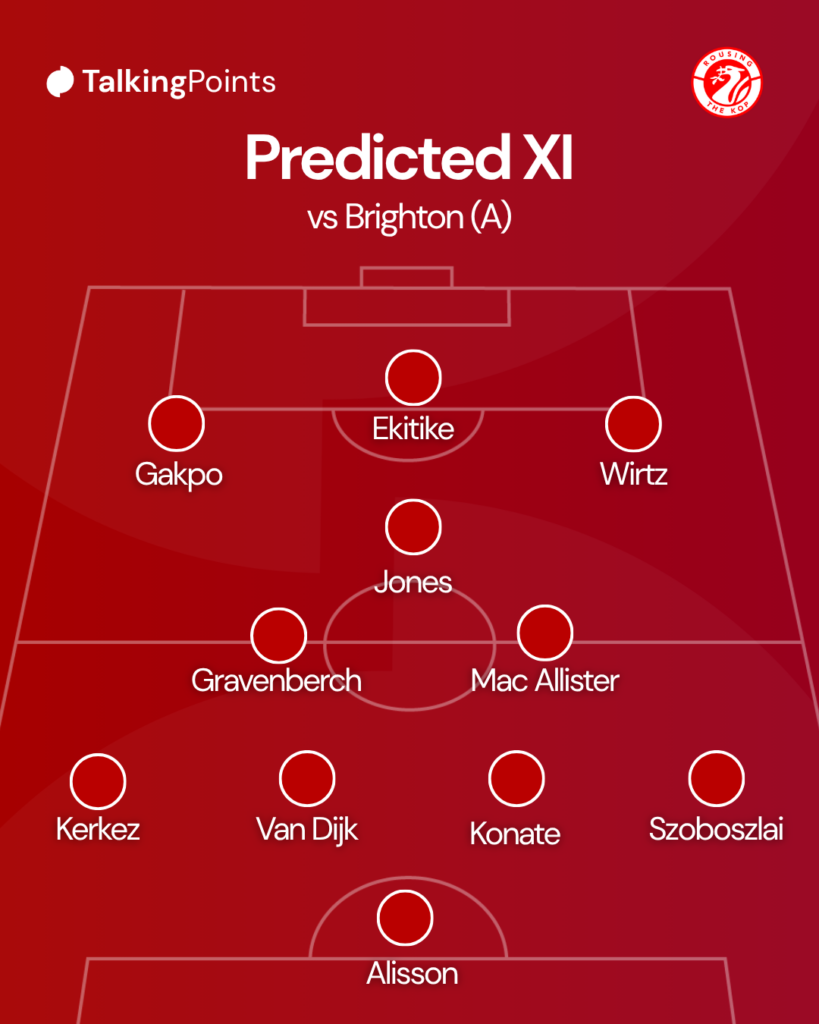
Arne Slot’s expected front three without Salah, what changes would you make? 🔄
No room for Rio again! Salah is ruled out vs Brighton and Frimpong is a doubt. Looks like Gakpo will return…
“Another idea I have is that FSG don’t like the mood music when it comes to how UEFA is regulating multi-club systems. Liverpool are part of an ownership structure which is already linked to PSG and Atalanta through Arctos and AC Milan via RedBird. There are probably other connections within the FSG network too. If you add another club which FSG owns outright, you’re in at the deep end of this stuff. It happened in the 1990s when Spurs and other multi-clubs were forced to sell teams after UEFA regulated against it; FSG are exposed to the same kinds of risks if they plough this furrow. You can’t have two clubs you own competing in the same European competition simultaneously, which puts a ceiling on your ambitions. The only way around that at present is with the ‘blind trust’ agreements we’ve seen from City, United and a few others, but that kind of defeats the point of owning two or more clubs in and of itself.
“It may also be that they don’t want to commit to a 10-year or longer timeline. Perhaps the plan is to sell Liverpool for £6bn, £7bn, £8bn before then and realise the massive return on the investment that they have made.
“So they’ll have abandoned it for a combination of reasons. They may have also looked at it and said, how effective really are these networks? Man City’s network has been successful on a sporting level, but they lose a lot of money, which FSG aren’t interested in. The Red Bull network is probably a one-off in terms of undisputed success. Chelsea’s links with Strasbourg have given them somewhere to park players and recruit from, but that’s about it. Commercially, it’s not a viable project. And the merits of multi-clubs in general are, in my view, massively overstated. I don’t think they’ve really missed out on anything.”
Receive a digest of our best Liverpool content each week direct to your mailbox