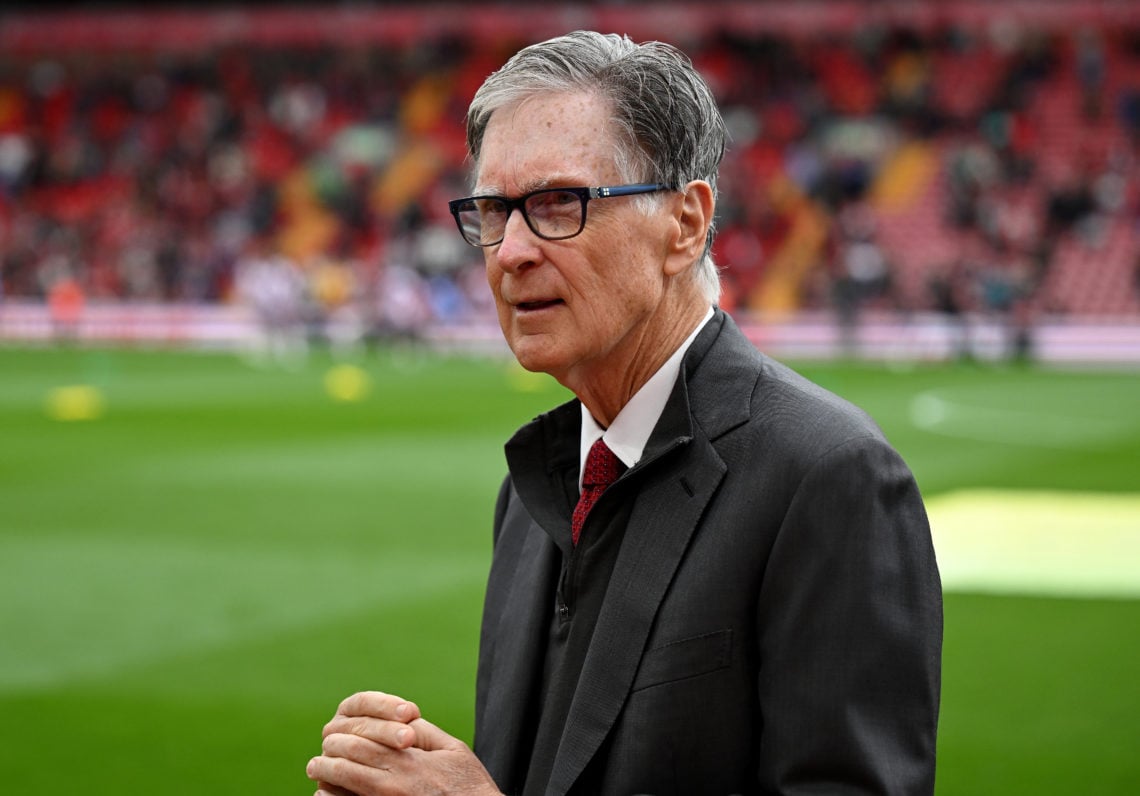


Liverpool have published their accounts for the 2023/24 season, with an overall loss of £57m announced.
The Reds had been expected to take a hit with their financial results, having failed to qualify for the Champions League in 2022/23.
And as per liverpoolfc.com, the club took the biggest loss in terms of media revenue, losing out on £38m from the previous campaign.
‘Administrative costs’ also rose by £38m, which is explained as ‘related to salaries and overhead costs across the club.’
Elsewhere, Liverpool look in good nick, with £300m reached in commercial revenue for the first time and overall revenue rising by £20m, pushing past the £600m mark.
For the every day fan, all they really want to know when it comes to the finances of their football club is how much money they have to play with in the transfer market. So, Rousing The Kop enlisted the help of football finance expert Adam Williams to explain just that.
Liverpool transfer budget unaffected by loss
Having kept their powder very much dry during the past three transfer windows, it is expected to be a busy summer at Anfield.
And while these losses may explain a quiet 2024 for the Reds, Williams explains that they are in a good position to spend what they need to in 2025.
“It’s the biggest loss of the FSG era but I don’t think this will have any real material impact on the transfer budget this summer,” says the expert.
“Profit or loss is a useful function for accountants because it measures the health of a business, but it doesn’t measure the actual flow of cash in and out of company – it includes non-cash expenses like depreciation and amortisation.”
READ MORE: Liverpool told of ‘positive’ hint that Mohamed Salah is set to sign new contract and stay
“If you look at a metric like EBITDA (earnings before interest, tax, depreciation and amortisation), Liverpool will still be well in profit,” Williams explains.
“PSR isn’t a concern at all for them, so the loss for 2023-24 doesn’t really mean all that much. I think after a season of cost control in 2024-25, FSG will be prepared to go big in the transfer market again.
“They’ve got Champions League income again this season, and it’s the most lucrative year in the competition’s history. There will be a commercial boom for winning the Premier League too and matchday income will have risen significantly.”
Why did Liverpool pay Jurgen Klopp and his staff?
As well as budget related issues, another question cropping up from Liverpool fans on Friday is why the Reds paid Jurgen Klopp and his staff £9.6m following their departure in 2024.
Given that Klopp decided to resign – and his staff followed him in doing so – some had assumed they would not be due a fee from the club.
| Liverpool accounts 2023/24 breakdown |
| Media revenue down £38 million to £204 million Matchday revenue up £22 million to £102 million Commercial revenue up £36 million to £308 million Administrative costs up £38 million to £600 million Overall revenue up £20 million to £614 million Loss before tax = £57 million |
However, Williams explains that while the former Liverpool coaching staff were not technically owed a pay out, it was likely a ‘gesture of goodwill’ from the club.
“The £9.6m paid out relating to Klopp’s departure will cover his staff’s contracts,” he says. “He [Klopp] won’t have been entitled to severance because he broke the contract early, albeit amicably.
“But his staff weren’t involved in that decision so were entitled to compensation. If they’d really fought it, they probably could have argued that there was grounds to not pay up the full amount, but that was never going to happen. It’s a gesture of goodwill.”
Receive a digest of our best Liverpool content each week direct to your mailbox