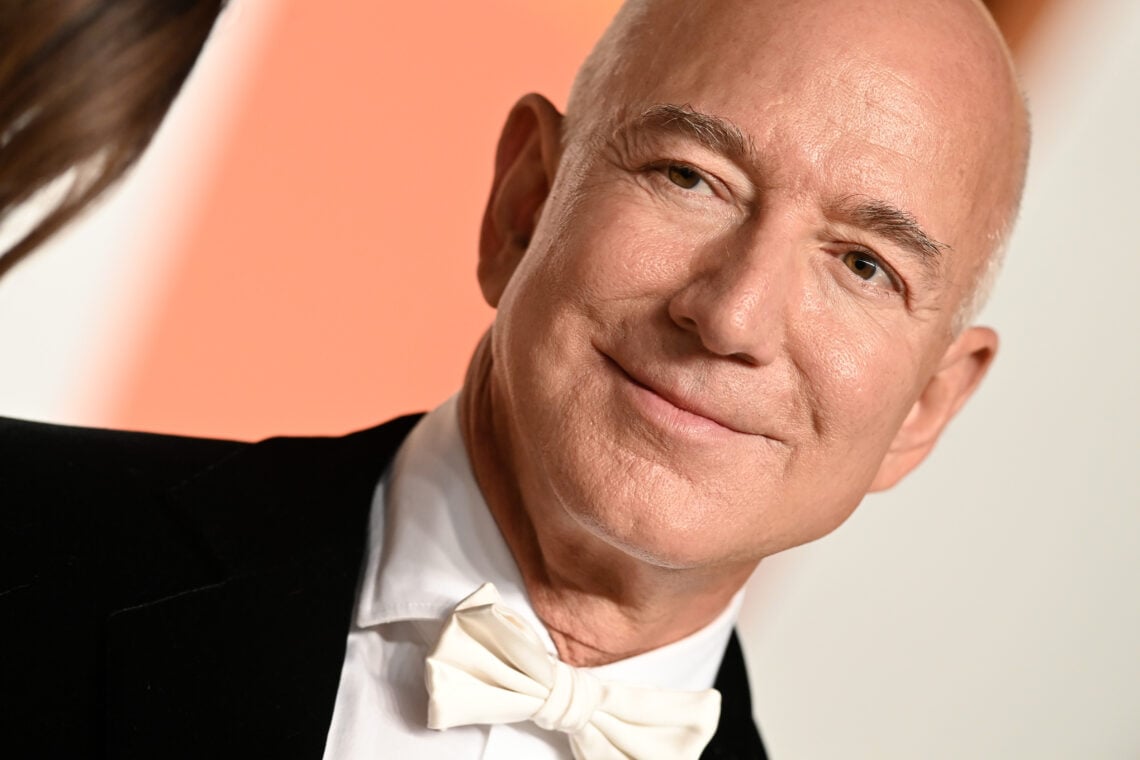


Amazon founder Jeff Bezos could soon become one of the new part-owners of Liverpool Football Club, but investment won’t come cheap.
It has emerged this week that a consortium led by Amit Bhatia are trying to buy a 30% stake in the Reds, who are being given a valuation of $6bn (around £4.5bn), and they want Bezos to be involved.
That is a significant increase on what Fenway Sports Group originally paid for the club in 2010, and finance expert Adam Williams has expressed his concern about the football ‘bubble’ and how the ever-inflating finances can’t last forever.
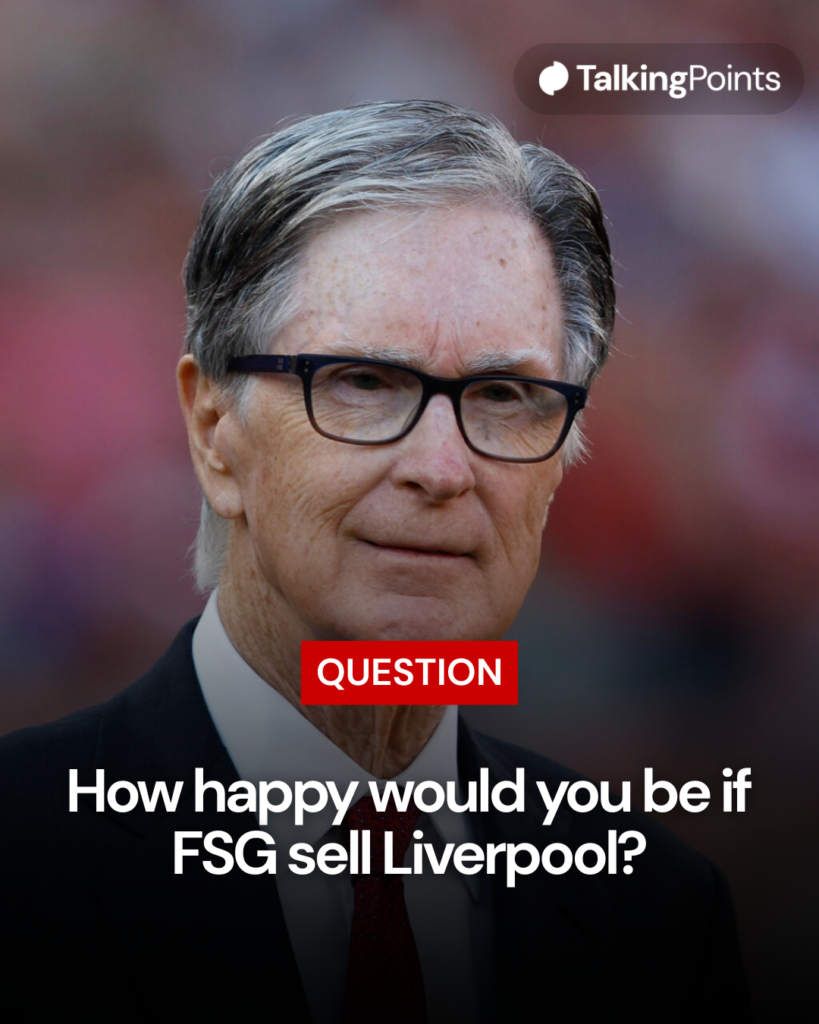
How happy would you be if FSG sell Liverpool? 💰
Investing in Liverpool at a $6bn valuation is ‘a straight gamble’
Back in 2010, FSG paid £300m to become the majority owner of Liverpool.
That means even if they only sell 30% of the Merseyside outfit, they would still more than quadruple their initial investment thanks to the new valuation, netting about £1.35bn.
But when speaking exclusively to Rousing The Kop, Williams questioned how much longer football clubs can keep increasing in value before the bubble bursts, and suggested that ‘investing at a $6bn valuation is a straight gamble’.
He said: “Valuations are a funny business in football. Usually when you’re appraising an asset, the main driver is its future cash flows. In layman’s terms, that’s the actual cold, hard cash profits or losses it makes from year to year. But no Premier League clubs are consistently profitable. Not even Liverpool, who have historically been one of the more disciplined sides when it comes to controlling costs.
“Yes, FSG have only ever put money into Liverpool to fund the stadium and the training ground redevelopments; but they have also never taken any money out, besides very, very small management fees. In short, they don’t make regular, sustainable profits. So the $6bn valuation – the one which Bezos is said to at least be curious about – is a bet on the club’s global appeal, its brand and, I believe, the ability of football itself to get its house in order with its financial rules. That last factor is by far the most important, in my view.
“Until there are much stricter spending rules in place, perhaps with a hard salary cap, clubs are going to be stuck in an inflationary spiral. When you have the likes of Chelsea inflating the market, everyone else has to increase spending to keep up, so everyone’s costs exceed their revenues.
“For FSG, buying Liverpool has been a capital appreciation play – that is essentially: buy the asset low, sell it high. But at some point in the chain of buying and selling, someone needs to make real, sustainable money from the club, i.e., day-to-day profits. Otherwise, it’s what’s known as ‘greater fool’ theory. You find a greater fool to sell the asset to, and then it’s not your problem anymore. But that can’t go on forever. It’s a bubble otherwise, which is when the price of an asset surpasses its inherent worth. And bubbles burst.
“Previously, Bezos has reportedly looked at a couple of NFL sides at similar valuations to the $6bn Liverpool are said to be on the market for. That price tag is much easier to justify because the NFL has systems in place that guarantee profits. If Liverpool were operating in a similar ecosystem, $6bn would be a bargain for the brand, scale and IP you would be buying. But while they continue to operate in an illogical financial system, I think investing at a $6bn valuation is a straight gamble on the ability of football to get its financial house in order. And I don’t have much faith in it to do that.”
It is hard to argue with that assessment, given how little profit football teams make on a yearly basis.
In Liverpool’s latest set of accounts, the club made a profit of just £8m after tax.
This was despite the fact they had a very quiet year on the transfer front, with Federico Chiesa the only senior signing.
So, it stands to reason that once the new accounts are released in early 2027, Liverpool will have probably made a loss, or at least less than £8m.
It is a similar story with basically every Premier League club in the last year, with only four (Newcastle, Aston Villa, Bournemouth and Liverpool) making any profit at all.
So why do people decide they want to buy a football club? Well, the answer, as Williams pointed out, is so they can flip it for a profit down the line like FSG could do this year.
But at what point will these crazy valuations slow down, and teams actually begin to be worth less? And is Bezos going to risk investing at a time when Liverpool’s valuation has never been higher?
Receive a digest of our best Liverpool content each week direct to your mailbox