Sporting directors have quickly become almost mythical figures, shrouded in mystery and cloaked in power, they are key to the success – or lack of it – of the clubs they quietly lead.
This is true at Liverpool more than at almost any other club, with Michael Edwards announcing himself as the sporting director in English football with a remarkable run of success in the transfer market between 2016 and 2022.
Edwards had actually been at Liverpool since the end of 2011, several years before the Reds’ first ever sporting director, Damien Comolli, left the club.
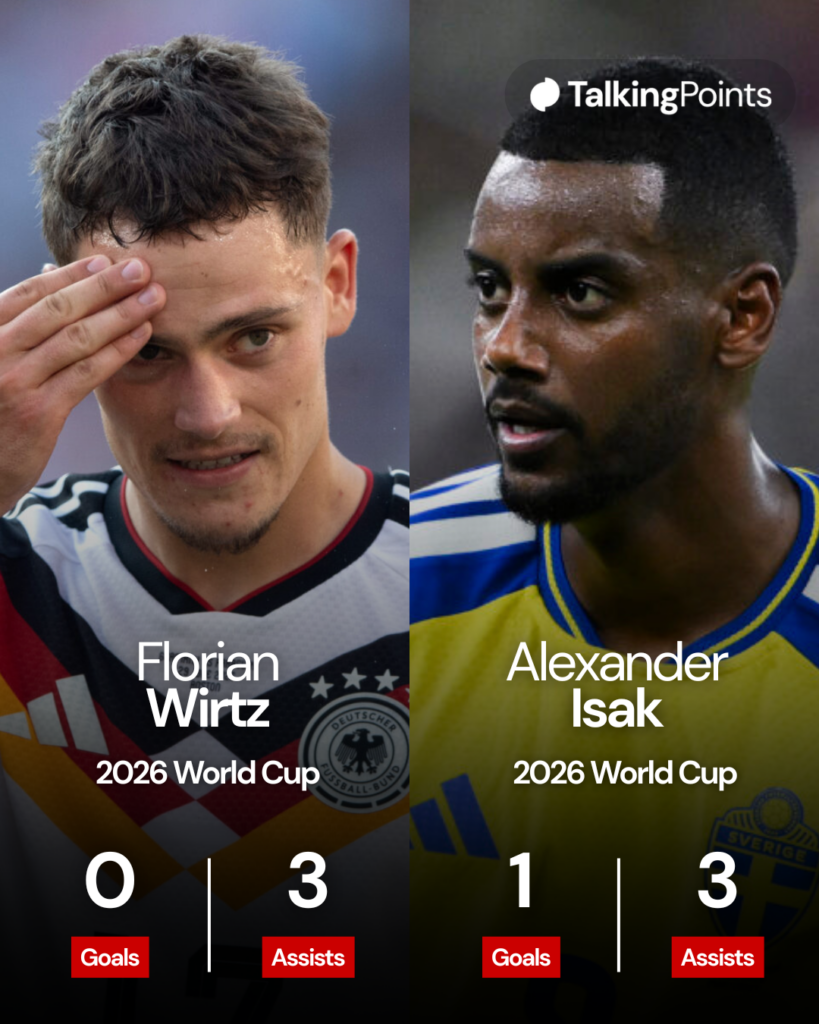
How does Andoni Iraola fit Wirtz and Isak into Liverpool’s starting XI next season?
Will we finally see the best of them after encouraging World Cups?
But instead of catapulting him straight into the role, owners FSG decided to take a more collaborative approach, using an infamous ‘transfer committee’ to make decisions on recruitment between them. Needless to say, there were decidedly mixed results.
Liverpool’s transfer committee did not work
Although Commoli made some decent signings for Liverpool, including Luis Suarez and Jordan Henderson, there were several blunders as well, and fans were not especially sorry to see him leave.
With the idea of having a sporting director not yet completely widespread within English football, FSG decided to try something different, sharing the responsibility between six people rather than just one.
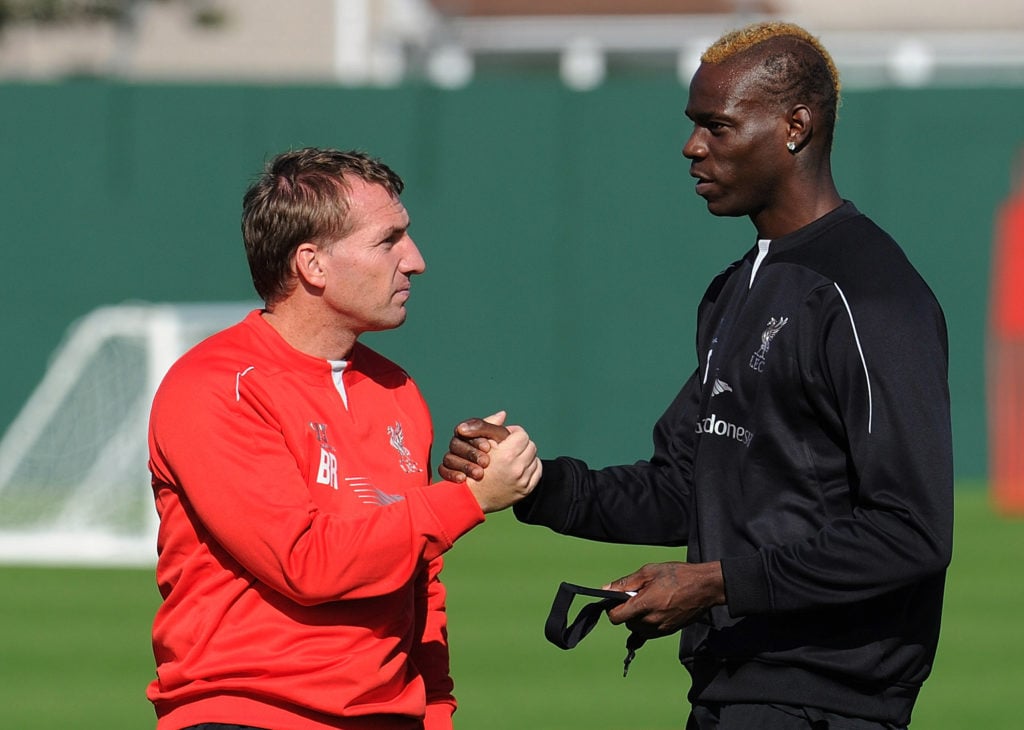
Manager Brendan Rodgers was, of course, one of the voices in the room, along with chief executive Ian Ayre, head of recruitment Dave Fallows, chief scout Barry Hunter, FSG representative Mike Gordon and, inevitably, then head of performance analysis Edwards.
READ MORE: Jeremy Jacquet hands Andoni Iraola some good news immediately after signing for Liverpool
In theory, six voices may be better than one, but when it came to doing business for Liverpool, this approach simply did not work.
With Rodgers reportedly clashing regularly with the likes of Edwards, who were more data-driven, it led to a muddle of signings and no clear direction.
What signings were made by the transfer committee?
The most infamous story of the transfer committee is the decision to sign both Roberto Firmino and Christian Benteke in 2015.
Rodgers wanted Benteke, but the data pointed to Firmino as the man who could take Liverpool forward. In the end, both were brought in at a cost of more than £65m. Firmino went on to become a legend of the club, while Benteke barely made an impact.
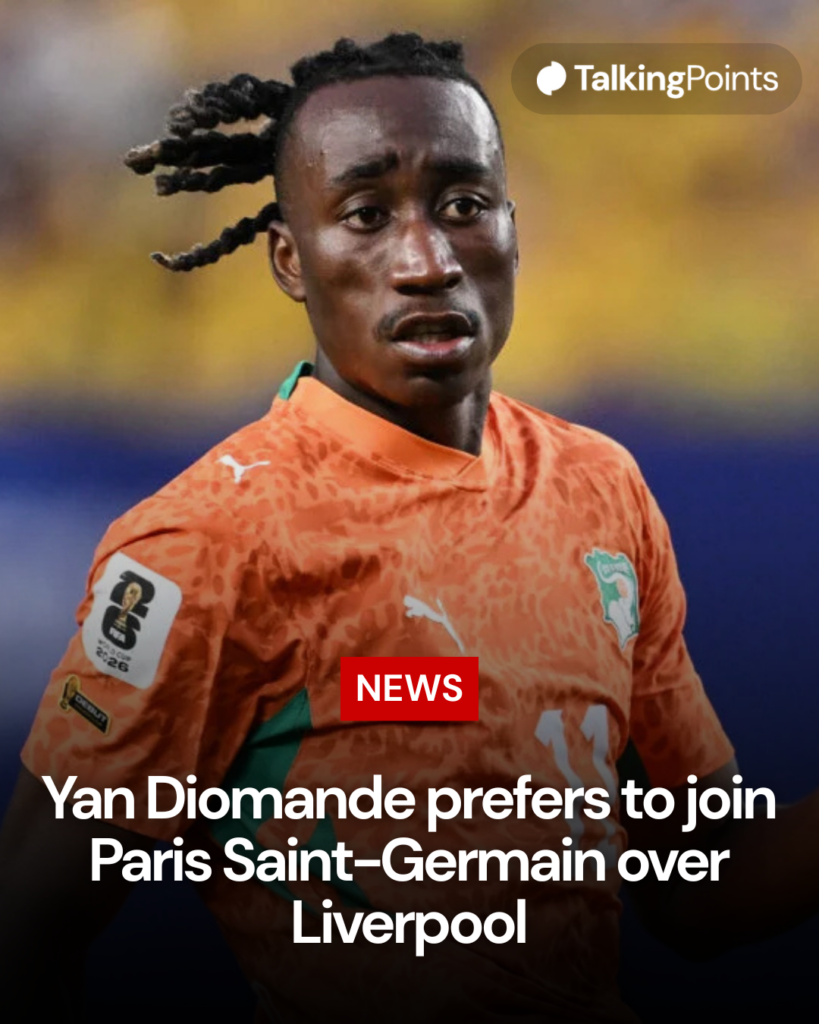
Who should Liverpool’s new top target be after being rejected by Yan Diomande?
This is a BIG blow to the Reds' summer plans 😓
The committee was disbanded the following summer, with Edwards permanently installed as the main man leading recruitment, but the Benteke/Firmino debacle was not the only failure.
The summer of 2014 brought some catastrophic signings, as the £75m Barcelona paid for Luis Suarez was squandered on the likes of Rickie Lambert, Lazar Markovic and Mario Balotelli. Just imagine what Edwards could have bought if left to do the job himself.
There were some successes too, it should be said, with players such as Daniel Sturridge, Philippe Coutinho and Firmino all brought in for reasonable fees.
But with news arriving this week that Richard Hughes will leave as Liverpool’s latest sporting director, do not expect FSG to come back and try this experiment again.
Receive a digest of our best Liverpool content each week direct to your mailbox