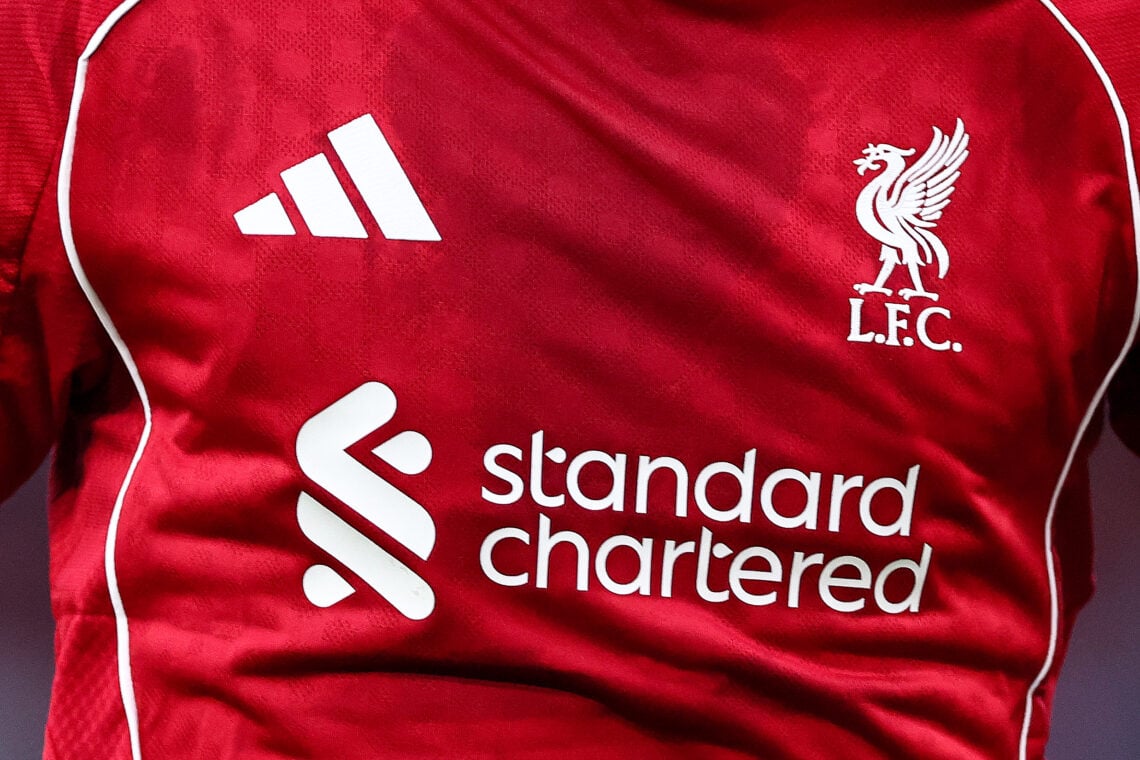


Liverpool’s Adidas contract is the club’s single biggest individual source of income, and the structure of the deal works well for the Reds in seasons where on-pitch performance slumps.
Arne Slot will lead Liverpool into their final game of the season on Sunday knowing that anything other than a defeat and a huge swing in goal difference will secure Champions League football, but it has been a fall from grace for the side that – before an extensive and expensive summer transfer spree – won the Premier League last season.
In 2024-25, Liverpool generated club-record revenue of almost £703m. Of that figure, commercial income accounted for about £324m, significantly more than they earned in Premier League and UEFA TV money and through the turnstiles at Anfield.
Under FSG’s self-funding model, that makes commercial income astronomically important to Liverpool’s ability to compete in the transfer and wage markets and, by extension, on the pitch. The Adidas deal at a minimum of £60m per season, therefore, is imperative.
What is your favourite Liverpool kit of all-time?
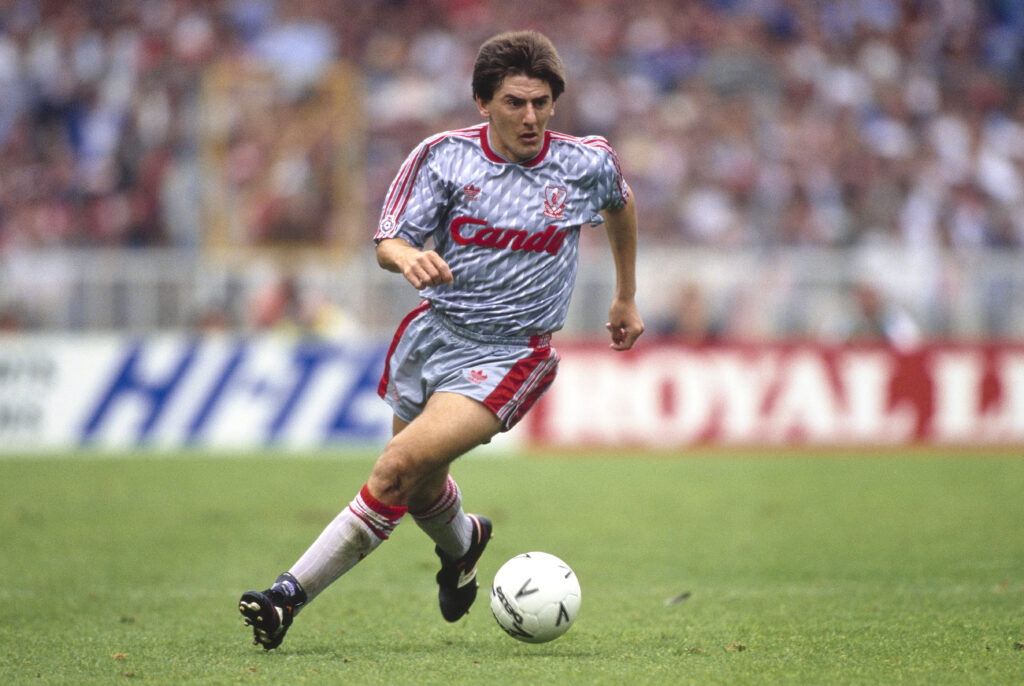
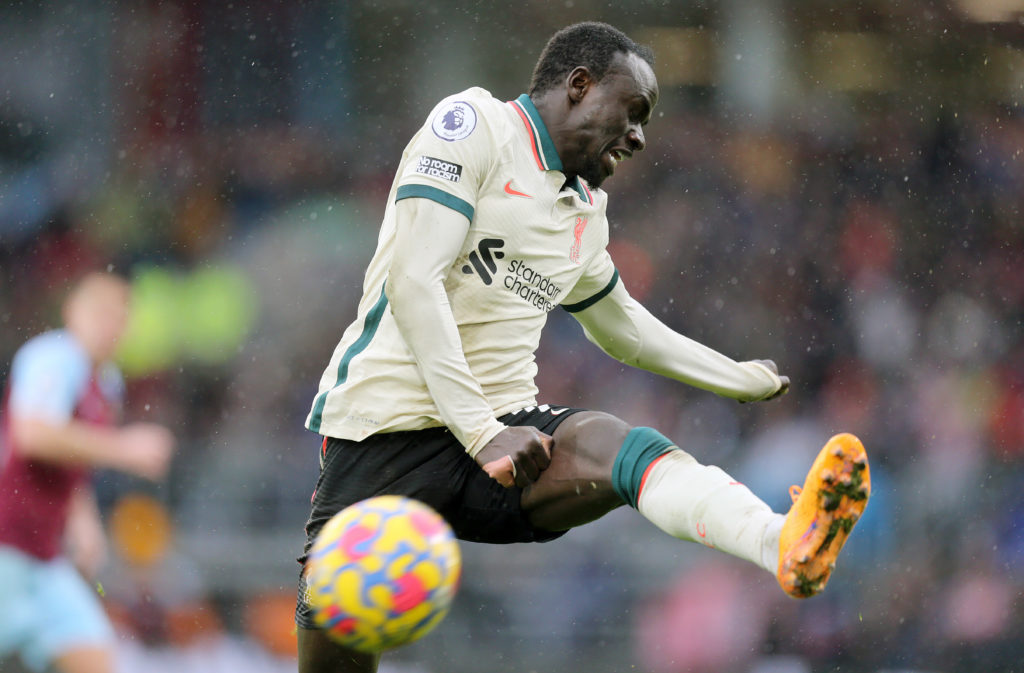
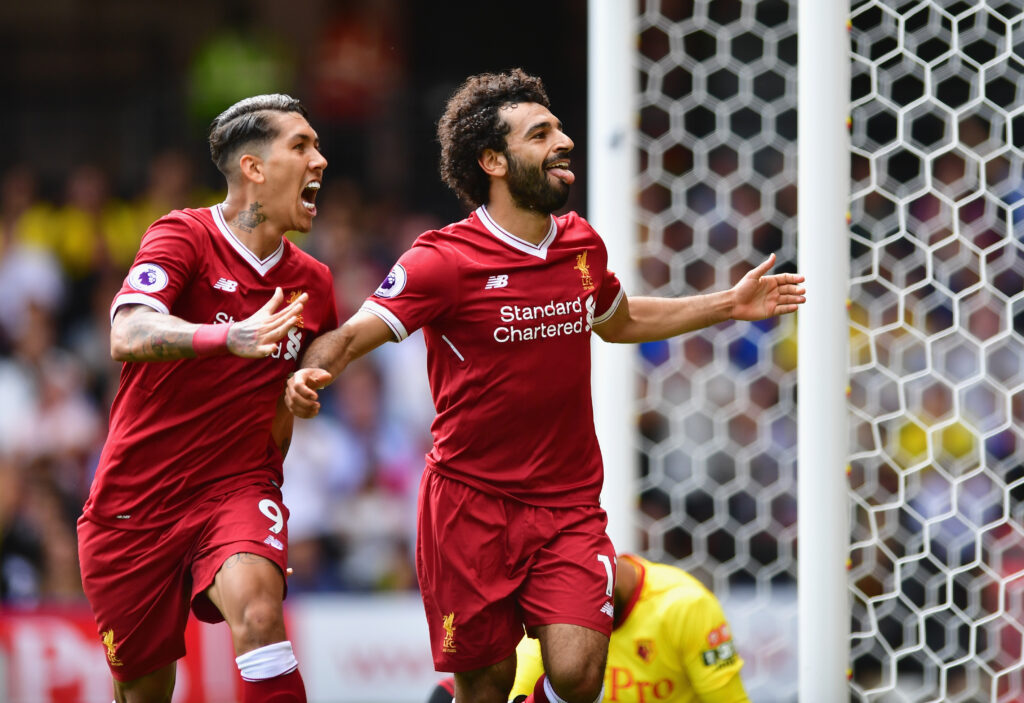
This week, Liverpool and Adidas launched the 2026-27 home kit, which has generally appreciated among fans for its retro, late 1980s-inspired aesthetic.
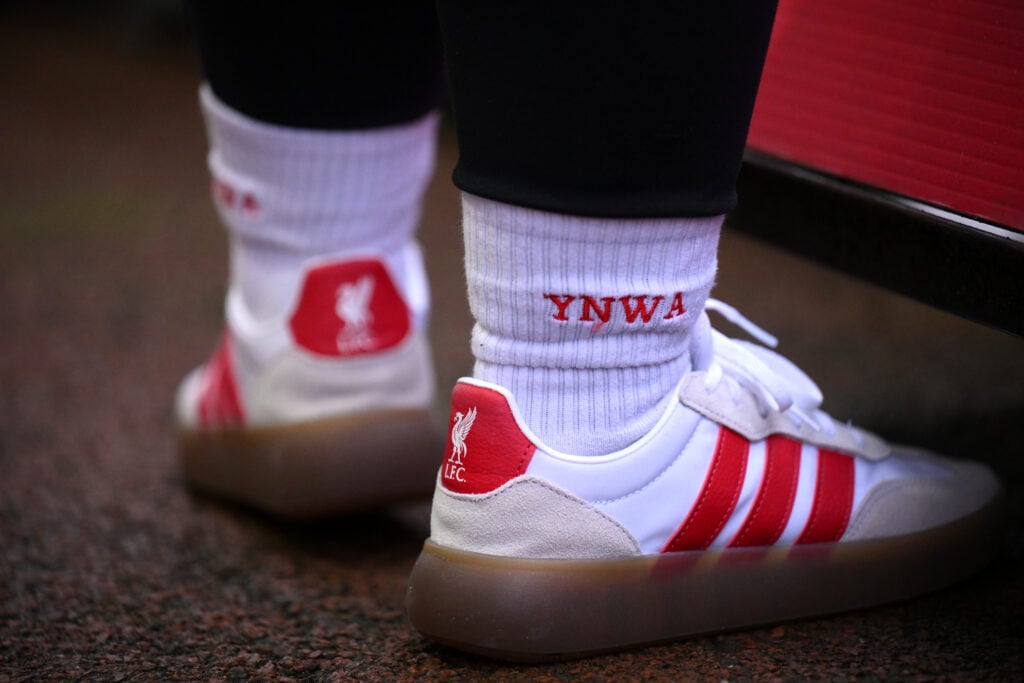
Taking over from Nike at the start of the season, Liverpool enjoyed record sales when Adidas released the kits for 2025-26, which – under the royalty provisions of the contract – will hopefully translate to another increase in commercial income when the next set of accounts are released.
But the impact of sales is less than the previous arrangement with Nike, where Liverpool accepted a much lower base rate in exchange for a much bigger cut of sales. The new deal, therefore, offers what people in football finance would describe as a limit on ‘upside’ in exchange for ‘downside protection’.
Basically, Liverpool can rely on at least £60m from Adidas even after a season in which they have underperformed and, as a result, there is less appetite among some fans to go out and buy official merchandise.
“FSG will have drawn a chart, looking at the fixed and the variable elements,” explains University of Liverpool football finance lecturer Kieran Maguire, speaking exclusively to Rousing the Kop.
“When FSG signed the previous deal with Nike, they were very bullish about the growth of football in the United States and Liverpool more generally. They wanted to use other Nike ambassadors and celebrities to promote the kits and other sportswear. That has worked elsewhere. Nike has this roster of superstars, but I don’t think that has manifested itself particularly well at Liverpool.
“Moving away from the variable deal with Nike towards a more reliable deal with Adidas has benefited Liverpool, in that sense. The biggest challenge, however, remains the threat to Adidas and others from black-market kit sellers.”
Receive a digest of our best Liverpool content each week direct to your mailbox