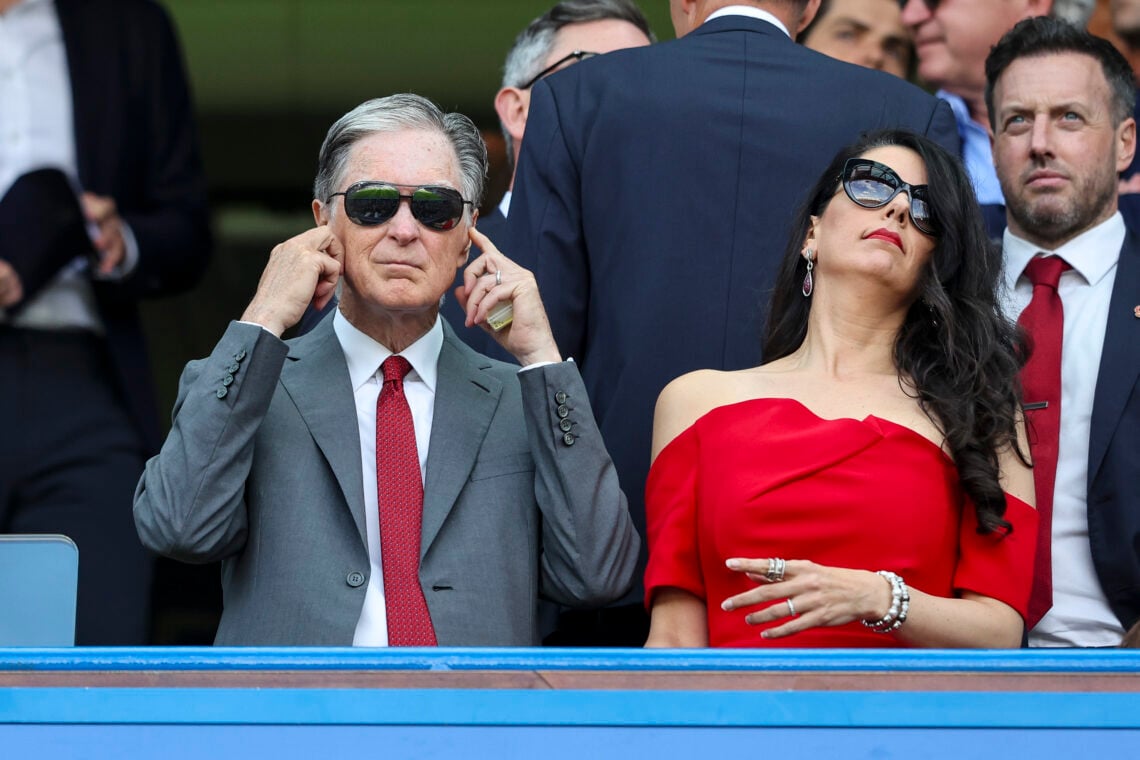


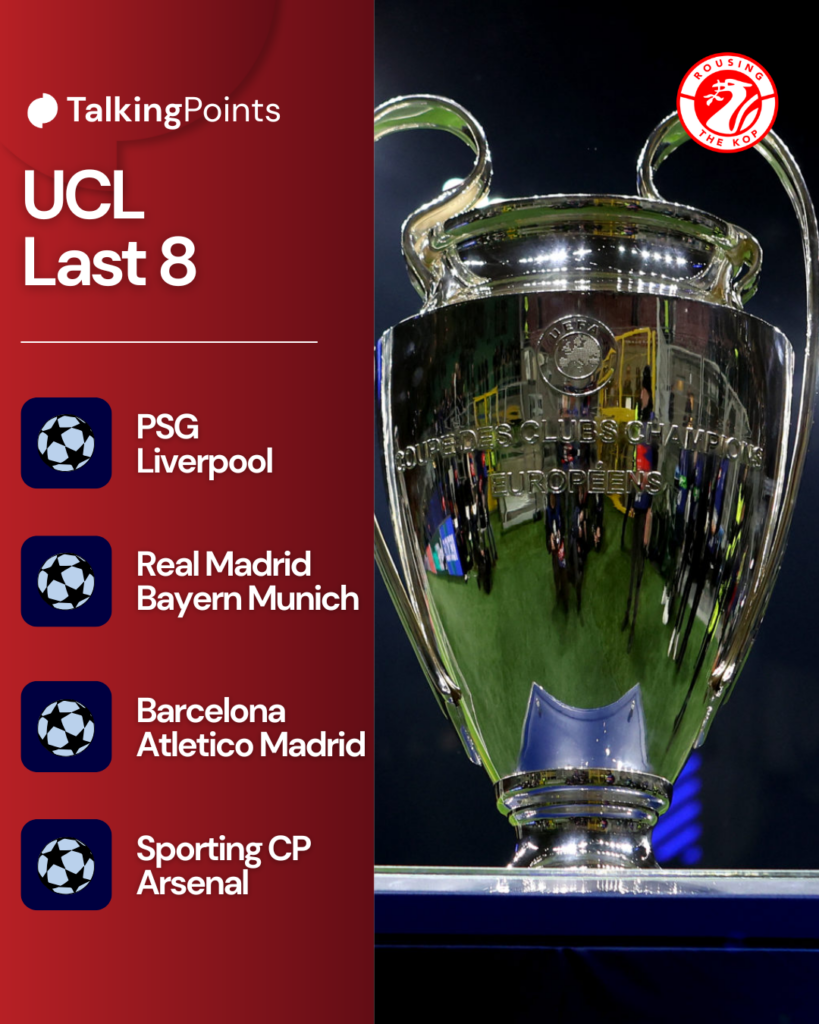
Liverpool and Paris Saint-Germain, who are preparing to face each other in the Champions League quarter-finals, share an ownership link through the private equity firm Arctos.
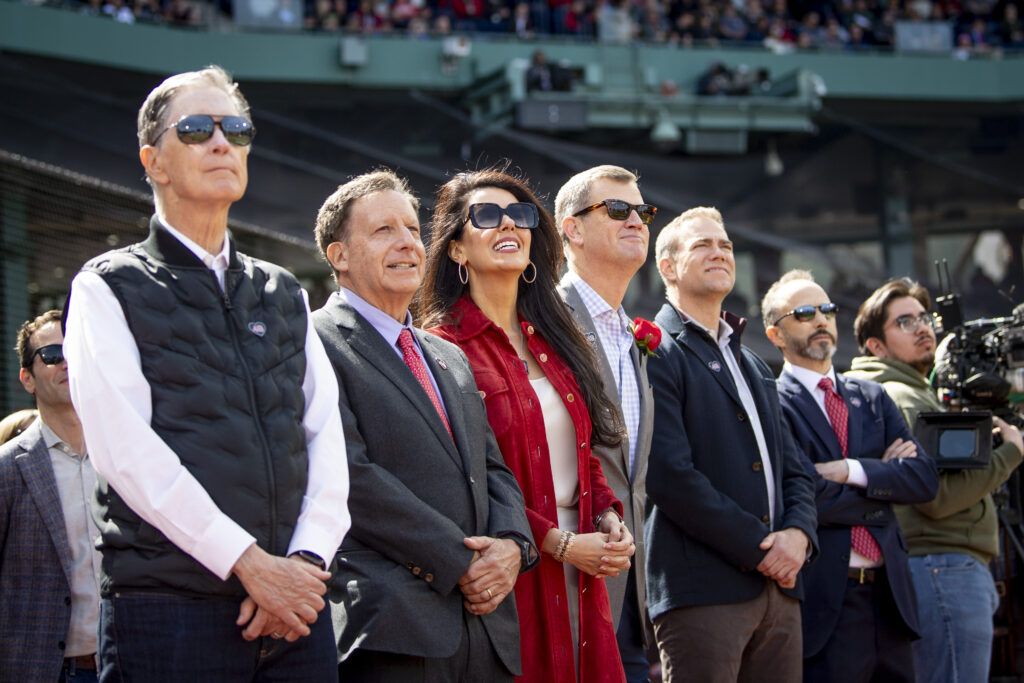
Liverpool’s primary owners, of course, are Fenway Sports Group. Another private equity firm in Dynasty Equity meanwhile bought a direct but small stake in 2023.
This week, FSG confirmed that their plans to launch a multi-club network had been frozen, having explored takeovers of Bordeaux, Malaga, Monaco and others over the last year or so.
However, Liverpool do in fact already exist in something of a loose multi-club network. In fact, FSG’s search for a club to buy was aided by RedBird Capital, who own a stake in Fenway as well as Italian giants AC Milan and Ligue 1’s Toulouse.
CHANGE MY MIND: Liverpool are still the best team in Europe on their day
After watching all of the other quarter-finalists, the Reds have nobody to fear in the Champions League 🏆
Alongside those links, one of FSG’s single largest shareholders, Arctos, owns a significant minority stake in Paris Saint-Germain, as well as Serie A’s Atalanta, the MLS’s Portland Timbers and dozens of other sports assets.
In a move emblematic of private equity’s tightening grip on sport, Arctos themselves were acquired by KKR, one of the world’s biggest private equity firms by assets owned, in February.
Private equity firms see sport as an ‘asset class’ which consistently outperforms public markets. Just look at FSG’s investment in Liverpool, a £300m takeover now worth £6-8bn, depending on who you ask.
For FSG, who have yet to make any money from Liverpool besides the £127m they pocketed from the minority sale to Dynasty Equity, the question is: when is the best time to exit the deal?
This week, Rousing The Kop has spoken to several reliable industry sources who have suggested that the abandonment of Michael Edwards’ multi-club project signals that the time is approaching. And while just as many sources say there is no reason to believe a decision on a sale is imminent, the Boston-based regime’s plan has always been one centred around capital appreciation: buy low, sell high.
If FSG are exploring a potential sale, it would be far less complex from a regulatory perspective to go to the market with Liverpool as a standalone entity – in terms of direct multi-club links, at least. Why? Because UEFA blocks teams under the same ownership umbrella from competing together in European competitions and is currently in the process of reviewing its multi-club ownership rules holistically.
For FSG, a famously conservative operation, is acquiring another club worth the risk?
“It’s too late to reverse multi-club ownership at this stage,” University of Liverpool football finance lecturer Kieran Maguire said in exclusive conversation with Rousing The Kop.
“I think UEFA take the view that, if you’re below a 30 per cent threshold, they don’t really want to become involved, especially with the big hitters of European football like Liverpool. It’s the equivalent of a second cousin. The law of common sense would say that this shouldn’t be a problem, but how you organise this from a regulatory perspective is a big question.
“As appears to be the case in some other arrangements, having a blind trust is just a paper solution and it doesn’t solve the problem of having influence over more than one club. Ultimately, people don’t know who’s behind private equity – it has got the word ‘private’ in it for a reason.
“I always go back to Evangelos Marinakis, owner of Nottingham Forest. On paper, he had no influence over Forest, but he was on the pitch berating the manager. That shows how farcical the rules are. They are legal constructs rather than a reflection of reality.”
Receive a digest of our best Liverpool content each week direct to your mailbox