

On 24 March 1997 Robbie Fowler gave English football one of its strangest moments, not because of a goal, but because of what he did after winning a penalty against Arsenal.
Liverpool were locked in a tight contest when Fowler went through on goal and collided with David Seaman.
Referee Gerald Ashby pointed to the spot straight away. Fowler’s reaction was what made it memorable. Instead of accepting the decision, he immediately tried to tell the referee it was not a penalty.
Which Liverpool player would you most like to see lift the World Cup this summer?
And which one has the best chance…

The appeal made no difference. Ashby stuck with the call and Liverpool still had the chance. Fowler took the kick, Seaman saved it, and Jason McAteer converted the rebound.
Liverpool won 2-1, but the result almost became secondary to the discussion around Fowler’s honesty.
Robbie Fowler’s penalty plea was unique
In a sport where players are usually accused of trying to buy decisions, here was a striker doing the opposite. That is why this Fowler moment still gets brought up. It was unusual then, and it looks even more so with hindsight.
Premier League football in the 1990s was hardly short on gamesmanship, and that side of the game has only become more prominent since. Players have always looked for edges in the fine margins, whether that means exaggerating contact, pressuring referees or simply keeping quiet when a decision goes their way.
Fowler broke from that instinct.
What made it stand out was how immediate it was. He did not make the point afterwards in an interview once the pressure had gone. He did it on the pitch, while the decision could still have been changed.
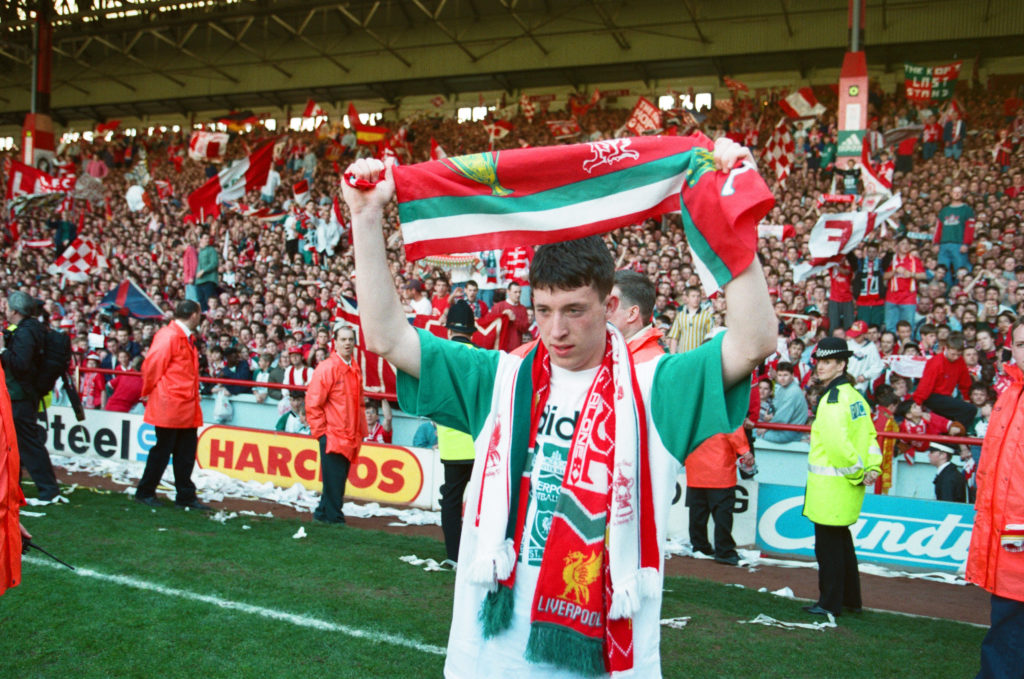
That is the part that separates it from the usual post-match talk about sportsmanship.
It was not calculated and it did not feel staged. He just didn’t think it was a foul.
It also sits slightly against the usual image of Fowler as a player. He was sharp, aggressive and instinctive around the box, the kind of forward defenders hated playing against. You would not necessarily have picked him out as the man to make a point about fairness with a goal at stake.
There is no need to overstate it or turn it into something bigger than it was. Liverpool still benefited, Arsenal still lost, and football carried on. But it remains a rare example of a player openly rejecting a decision that helped his own team.
Funnily enough, Liverpool and Arsenal finished level on points in the 1996/97 standings, but Newcastle finished second on goal difference. That wrongly given penalty cost the Gunners Champions League qualification.
Just how bad do you want Arne Slot gone? 😬

Receive a digest of our best Liverpool content each week direct to your mailbox