

RedBird Capital are nearing a deal with Fenway Sports Group, according to reports. How would this affect Liverpool?
This comes from Sportico. They claim that RedBird Capital near a deal to purchase a portion of Fenway Sports Group, owners of Liverpool FC.
RedBird will buy 10 per cent of FSG for $750m – around £540m. It’s a deal that values the group at over £5bn and would close within the next six weeks.
Who are RedBird?
RedBird Capital are a private investment firm that has been fairly active in sport recently.
They’re run by former Goldman Sachs partner Gerry Cardinale and specialise in helping to ‘scale founder-led companies’. FSG are a founder-led company, so that much makes sense.
Notable, RedBird purchased French team Toulouse last July, buying 85 per cent of the club, per Sportico. They also made headlines in August, partnering with Dwayne ‘The Rock’ Johnson to buy the XFL.
What does this mean for Liverpool?
On the face of it? Not much. Is will change the reported corporate structure at FSG and Liverpool, though.
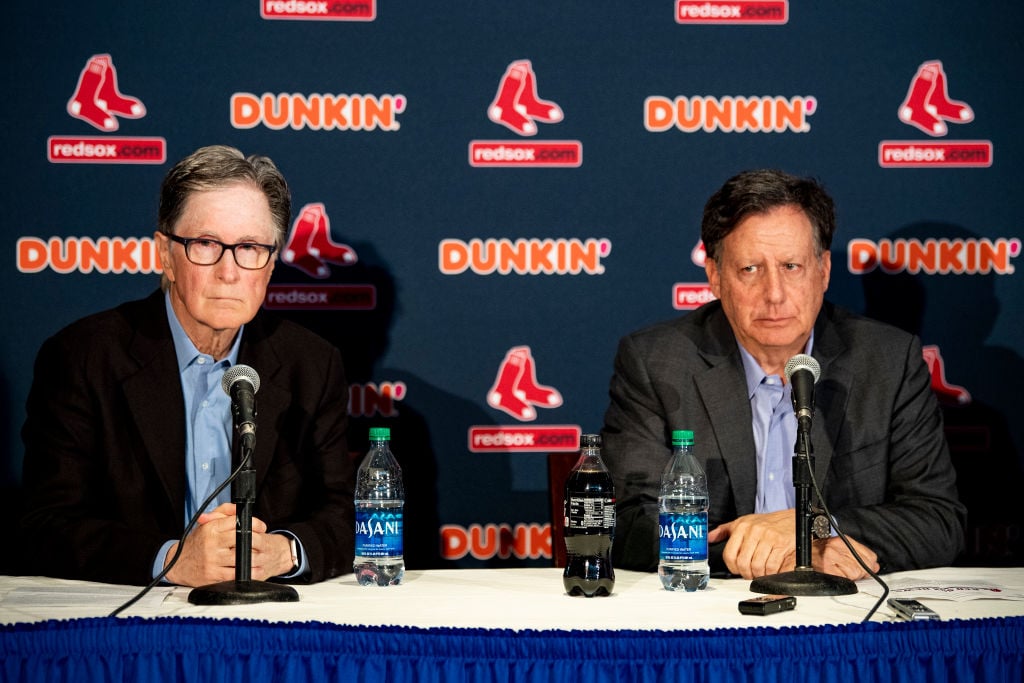
Per LFC’s website, three figures effectively own over 10 per cent of the club. That’s because FSG own 100 per cent, thus anyone owning a percentage of the company sees that translate to the club.
John Henry, Tom Werner and Mike Gordon own over 10 per cent. Red Bird won’t enter that group but they will lessen those three’s percentage.
As of 2015, Henry owned around 40 per cent – the largest share. Next was Gordon at 12 per cent, then Werner at a little more than 10.
Now, as Henry owns under 50 per cent to begin with, there won’t be major changes. He doesn’t own a controlling share, just the largest share.
That will remain the case even if RedBird bought 10 per cent purely from him. No great changes in how the company is run, then.
And given Liverpool are merely a company FSG owns, the impact on how they’re run lowers still.

We’re not financial experts (that much is probably clear) but from what we can tell, this is purely a financially beneficial move for certain people. The effects on Liverpool would be minimal, if felt at all.
Perhaps the investment money gets put into Liverpool but we have no reason to believe that’s the case. It’s just as likely to go into the Boston Red Dox or one of the other companies FSG owns.
For us, there’s not too much to get excited about as LFC fans.
Receive a digest of our best Liverpool content each week direct to your mailbox